
Understanding the Process of Moving Non-Drivable Vehicles
Non-drivable vehicles present a unique challenge for vehicle owners and service providers alike. These vehicles can’t be driven to a repair shop or new location, making it essential to find efficient methods for their relocation. Understanding how services handle these situations can save time and reduce stress. When a vehicle cannot move on its own, specialized equipment and expertise are crucial. From accident scenes to mechanical breakdowns, knowing what steps are involved in moving non-drivable vehicles ensures a smoother process.
The Role of Specialized Equipment
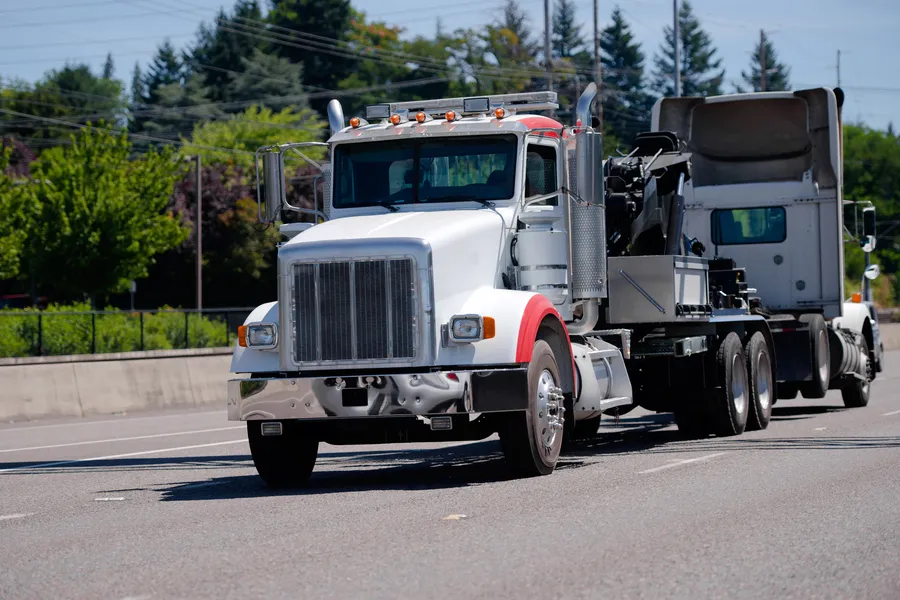
Specialized equipment plays a vital role in relocating non-drivable vehicles safely and efficiently. This includes flatbed trucks, winches, and dollies designed for secure loading and transportation. The use of proper tools prevents further damage and ensures that the vehicle arrives at its destination intact. Operators receive training to manage different scenarios, ensuring that every situation is handled with the utmost care. This process highlights the importance of using experienced tow truck service teams trained to operate such equipment effectively.
Benefits of Professional Services
Engaging professional services brings multiple benefits when dealing with non-drivable vehicles. Expert teams offer quick response times, reducing the stress associated with immobilized cars. They ensure safe handling and transportation, minimizing potential risks during the process. Moreover, licensed professionals adhere to industry regulations, providing peace of mind regarding safety and compliance standards. These advantages underline why opting for a reliable tow truck service is a wise choice.
Challenges Faced During Relocation
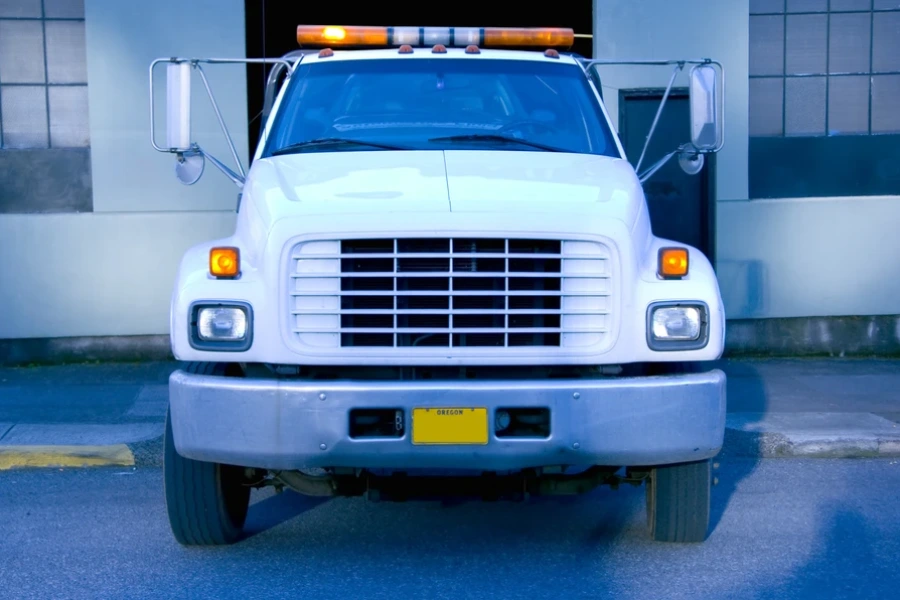
Several challenges arise when transporting non-drivable vehicles. Weather conditions can complicate towing operations, especially in extreme temperatures or rain. Traffic congestion is another factor that can delay arrival times and increase frustration levels for those awaiting assistance. Furthermore, accessing remote locations presents additional difficulties, requiring careful planning and execution by skilled teams.
Steps in Managing Non-Drivable Vehicles
Handling non-drivable vehicles involves various critical steps:
- Assessment: Evaluating the vehicle’s condition to determine the best approach.
- Preparation: Securing necessary documentation and confirming the transport method.
- Execution: Safely loading and securing the vehicle onto the transport truck.
- Transportation: Navigating to the intended destination while adhering to safety protocols.
- Delivery: Unloading and delivering the vehicle at the agreed location.
Following these steps ensures successful relocation without unnecessary complications or delays.
Best Practices for Safe Transport
There are several best practices that enhance the efficiency of vehicle relocation:
- Always verify the credentials of the tow company before engaging their services.
- Communicate clearly with operators about any specific concerns or requirements.
- Ensure that all safety measures are in place before transportation begins.
- Regular maintenance of towing equipment guarantees performance reliability.
Implementing these practices minimizes risks and enhances overall satisfaction with the service provided.
Financial Considerations for Vehicle Towing
Towing costs vary based on several factors, including distance, vehicle type, and urgency. Many services provide transparent pricing structures, helping customers anticipate expenses accurately. Some insurance policies may cover towing fees, offering financial relief during stressful times. Weighing these aspects allows individuals to make informed decisions about budget allocation and value perception regarding towing services.
Conclusion With Actionable Insights
Selecting a dependable service provider significantly impacts your experience with vehicle relocation. Prioritizing professionalism and preparedness leads to better outcomes regardless of circumstances surrounding immobility issues faced by car owners today-contact Diesel World and Towing directly at (747) 268-9476 if you’re located in Baton Rouge, LA seeking exceptional support solutions tailored specifically towards non-drivable automobiles now available throughout our local area!